

A field report on workers’ comp firm operations

Great lawyers. Leaky operations.

Working with workers’ comp firms, we see the same mistakes over and over. They aren’t legal mistakes. They’re business mistakes in response time, intake, follow-up, and reporting, and they cost signed cases.

Construction worker in a hard hat and high-visibility vest on a job site
Fig. IEvery case starts on a job site like this one.

40%

of law firms answered a secret shopper’s phone call[1]

33%

answered an email inquiry at all[1]

12

dials, on average, to reach an injured worker and sign the retainer[8]

9 mistakes that quietly cap a comp practice

Firms are good at law. These are the parts of the business that leak cases.

  1. I.

    Response time

    The phone rings and nobody answers.

    Most comp leads arrive by phone. A missed first call is paid-for demand handed to the next firm on the search results page, and most missed callers never get a call back.

    What fixing it looks likeEvery call answered live by trained intake. No voicemail, no “we’ll call you back.”

  2. II.

    Response time

    You respond in hours. Your prospect hires in minutes.

    Lead value decays fast, and injured workers call several firms at once. The first firm to have a real conversation usually wins.

    What fixing it looks likeA speed-to-lead standard measured in minutes, day or night.

  3. III.

    Intake

    Web forms and emails go into a black hole.

    Prospects who write in instead of calling get worse treatment. When they do get a reply, it rarely tells them what happens next.

    What fixing it looks likeForms, chat, and texts route to the same live intake queue as calls, and every reply books a next step.

    Woman smiling while talking on her phone
    Plate IThe claimant who finally picks up on the twelfth dial.
  4. IV.

    Intake

    Your attorneys are running intake between hearings.

    When lawyers and paralegals handle intake, calls get missed every time they are in court or on deadline. Firms with dedicated intake lose less business.

    What fixing it looks likeDedicated intake specialists own the conversation from first call to signed retainer.

  5. V.

    Intake

    One call and done.

    Injured workers are hard to reach: they are at appointments, back on shift, or screening unknown numbers. Firms that try once or twice and move on are throwing away cases they already paid for. Cross-industry research finds 93% of converted leads are reached by the sixth attempt, and comp claimants often take twice that.[5]

    What fixing it looks likeA dialing cadence built for a dozen-plus attempts, plus texts and email, until each lead is signed or disqualified.

  6. VI.

    Intake

    English-only intake in a practice that needs Spanish.

    A large share of injured workers are Hispanic or Latino, many foreign-born, and many are more comfortable in Spanish. English-only intake quietly screens them out.

    What fixing it looks likeNative Spanish-speaking intake, with a Spanish retainer and signing flow.

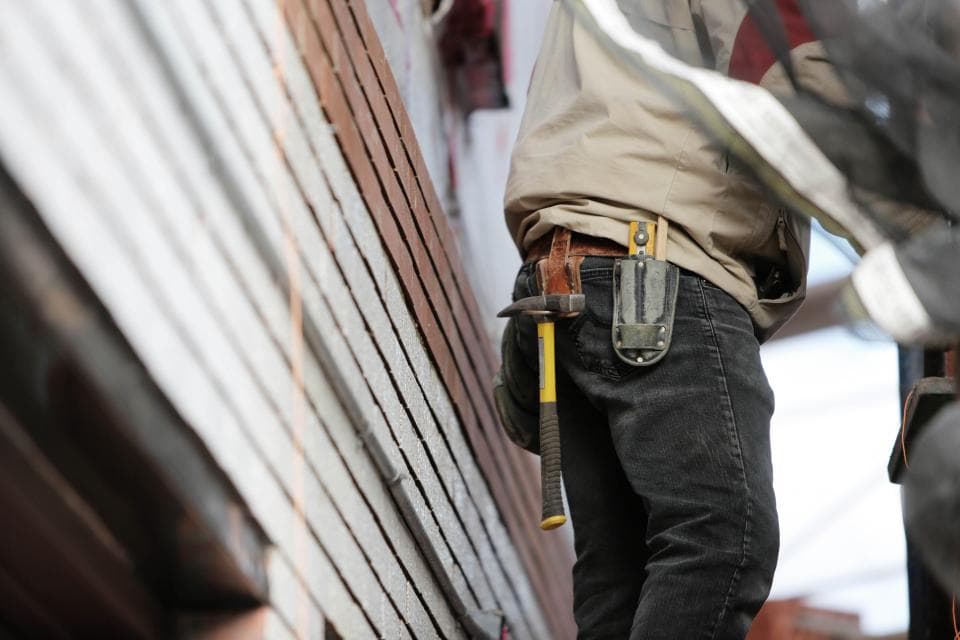
    Tradesman wearing a tool belt on a work site
    Plate IIBack on shift the next morning, and screening unknown numbers.
  7. VII.

    Intake

    Retainers sit unsigned for days.

    Prospects shop around, so the first firm to get a signature wins. “Come into the office” and paper retainers add days the case may not survive.

    What fixing it looks likeSame-day, often same-call, e-signed retainers.

  8. VIII.

    Data & reporting

    You don’t know what a signed case costs you.

    Comp fees are capped by statute, so a firm can’t outspend a leaky intake funnel. Cost per signed case, by source and claim type, decides whether marketing is profitable.

    What fixing it looks likeReporting on cost per lead, per qualified lead, and per signed case, by source.

  9. IX.

    Client experience

    Clients sign, then feel ignored.

    Communication breakdowns after signing drive complaints, bad reviews, and lost referrals. They start at intake, when expectations are set or not.

    What fixing it looks likeClear expectations at intake and a complete file handed to your team on day one.

How we take intake off your plate

I.

We build the ads and buy the media

Injured-worker campaigns in your states, funded and managed by us.

II.

A specialist intake partner works every lead

We use a third-party intake firm that does one thing: signing workers’ comp retainers.

III.

Built for speed and persistence

Leads are called fast and dialed again and again. It averages 12 dials to get a claimant on the phone and signed.

IV.

You get a signed client

The retainer is signed on your firm’s agreement and delivered with the intake file.

Stop losing cases to operations.

Take the fit check. If your states and criteria match, we’ll set up a call to walk through volume and launch.

Begin the fit check
Question 1 of 760-second fit check

Does your firm want more signed workers’ comp cases?