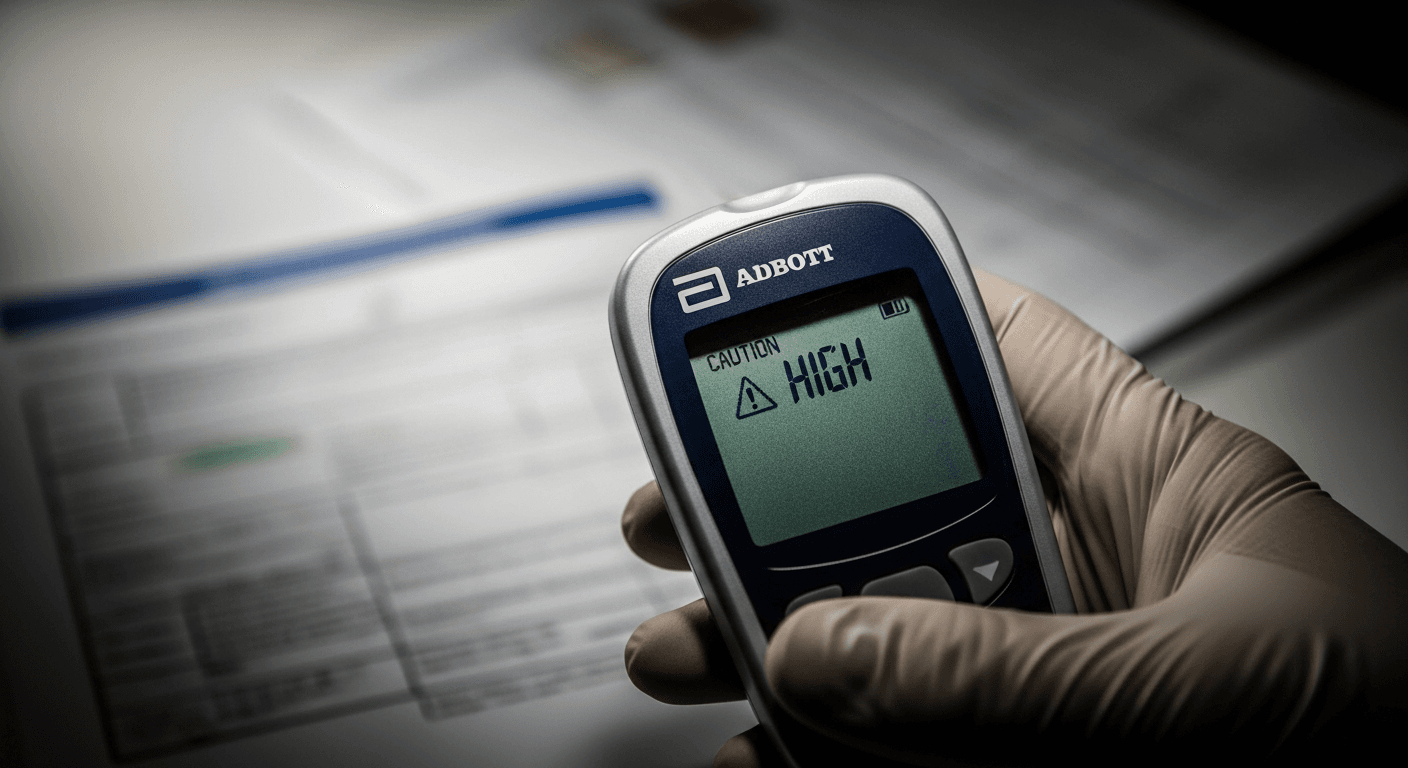
7 Deaths Spark Urgent Recall of Abbott Glucose Monitors - 736 Injured
Abbott recalled FreeStyle Libre 3 glucose monitors after 7 deaths and 736 serious injuries from faulty readings that caused dangerous insulin dosing errors.
Abbott Issues Urgent Recall After Fatal Glucose Monitor Malfunctions
Abbott Diabetes Care has issued an urgent recall of certain FreeStyle Libre 3 and FreeStyle Libre 3 glucose monitors following reports of deaths and injuries related to faulty glucose readings that led to dangerous insulin responses. As of November 18, 2025, Abbott had received reports of 736 'serious adverse events' potentially linked to the malfunctioning glucose monitors, including seven deaths. The FDA issued a warning on December 2, 2025, urging patients to immediately stop using the affected models due to the risk of incorrect readings [1].
Scope of the Crisis: 736 Serious Injuries Reported
The emergency alert was issued after seven deaths and reports of severely inaccurate blood sugar readings that caused patients to improperly dose insulin. The inaccurate readings prompted patients who rely on accurate sensors to make critical treatment decisions. Canada has also issued a recall for the impacted devices, requesting their immediate return from the market.
The Fatal Flaw: How Incorrect Readings Turn Deadly
The FreeStyle Libre 3 sensors pose significant health risks due to their tendency to provide inaccurate high glucose readings. When glucose monitors falsely record abnormally high readings, patients may inject more insulin than needed, leading to dangerously low glucose levels or hypoglycemia. These incorrect readings have threatened people's lives and forced them to make decisions that could impact their health. Incorrect readings can lead to life-threatening insulin complications, injury, or death.
Legal Action Emerges as Victims Seek Justice
Multiple law firms are now accepting claims from individuals harmed by the recalled Abbott FreeStyle Libre 3 glucose monitors, and legal action is expected. This has become a growing legal matter because of the serious injuries and deaths that have been attributed to the devices. Those who have been injured, hospitalized, or who have lost a loved one due to faulty glucose readings are encouraged to come forward and explore potential damages.
Affected people are pursuing compensation for medical expenses, including hospitalization costs and ongoing treatment related to injuries caused by the defective devices.
Company Response: Too Little, Too Late?
Abbott has stated that it identified the sensor issue and has implemented fixes to prevent future malfunctioning. The company is providing free replacement sensors for any potentially affected devices and has created a website, www.freestylelibre3.com, where consumers can determine if they received an impacted lot. However, critics argue that the response comes after months of reported adverse events, raising questions about the company's recall processes and the timeline for addressing potential hazards.
How to Protect Yourself: Immediate Action Required
Anyone currently using a Libre 3 or Libre 3 Plus sensor should immediately check its model number and serial status to determine if it's among the affected devices [2]. Users can visit Abbott's dedicated recall website where they can check whether their specific device requires replacement. Patients should also regularly inspect their glucose readings and report any consistently erratic or seemingly inaccurate readings to their healthcare provider. Users of the recalled Abbott FreeStyle Libre 3 sensors who experienced injuries may be eligible to file lawsuits seeking compensation.
Regulatory Response and International Impact
The FDA's alert, posted on December 2, 2025, followed Abbott's November 15, 2025 notice to affected patients and healthcare providers. This regulatory action demonstrates the severity of the situation and the urgent need for device surveillance and consumer protection. The recall highlights ongoing challenges of medical device safety oversight and the critical importance of robust control measures for devices like glucose monitors that are used by thousands of patients who depend on accurate blood glucose monitoring information.
This article is for informational purposes only and does not constitute legal advice. NIB Direct is a lead generation company and does not provide legal services.
Have Questions About This Topic?
Our team stays on top of the latest litigation developments. Reach out to discuss how this might impact your practice.