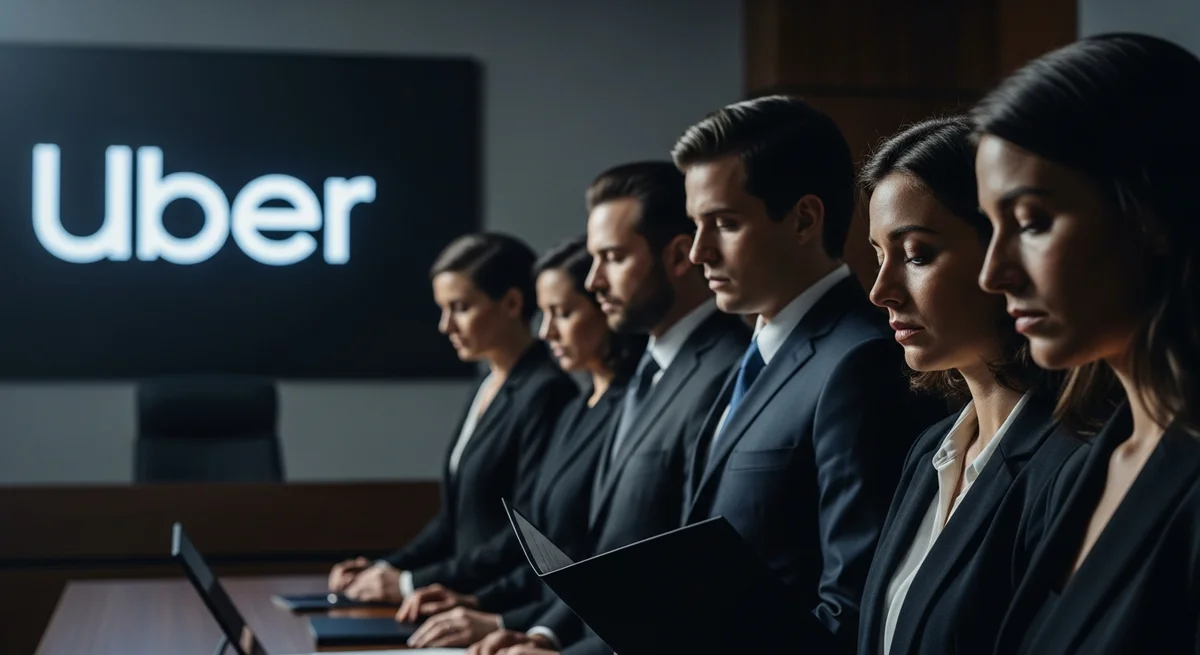
$8.5M Verdict Rocks Uber: 3,700+ Sexual Assault Victims Fight Back
Federal jury awards $8.5 million in first bellwether trial against Uber. Over 3,700 sexual assault victims now seek justice in massive litigation.
Historic $8.5 Million Verdict Opens Floodgates in Uber Sexual Assault Litigation
In a groundbreaking decision that could reshape the rideshare industry's liability landscape, a federal jury in Phoenix awarded $8.5 million to a woman sexually assaulted by an Uber driver, marking the first federal bellwether trial victory in what has become one of the largest mass tort cases against a tech company [1]. The February 2026 verdict found Uber liable for the actions of its driver, rejecting the company's longstanding argument that drivers are independent contractors rather than agents [1].
Massive Scale of Litigation: Over 3,700 Victims Seek Justice
The Arizona verdict represents just the tip of the iceberg in a litigation tsunami engulfing Uber. More than 3,700 plaintiffs across 30 states have joined the federal multidistrict litigation (MDL No. 3084) consolidated before Judge Charles Breyer in the Northern District of California [2][3]. The sheer scope is staggering: Uber received over 400,000 reports of sexual assault or sexual misconduct in the United States between 2017 and 2022 [2][3].
Legal experts describe this as one of the most significant corporate liability cases in recent history, with thousands of sexual assault lawsuits filed against the rideshare giant for allegedly failing to protect passengers [2][3]. The cases span multiple jurisdictions, with consolidation occurring in both federal court and California state court [3].
Uber's Safety Algorithm Exposed: Internal Documents Reveal Risk Assessment Failures
Perhaps most damaging to Uber's defense, internal company documents revealed during the Arizona trial exposed critical flaws in the company's safety systems. Court records show that Uber's internal Safety Risk Assessed Dispatch (S-RAD) algorithm rated the trip 0.81 out of 1, indicating an elevated risk of a serious safety incident, yet the company proceeded with the ride without warning the passenger or altering the match [2].
This revelation contradicts Uber's public safety messaging and suggests the company had technological capabilities to identify high-risk situations but failed to act on them. The disclosure of these internal documents marks the first time such detailed safety data has been made public in litigation [2].
Bellwether Trials Set Stage for Billion-Dollar Settlements
The Arizona case serves as a crucial bellwether trial, designed to test legal theories and gauge potential settlement values for the thousands of pending cases [2][3]. Legal analysts project that settlement values for Uber sexual assault cases could range from $300,000 to $800,000, with the most severe cases involving forcible rape potentially reaching settlements exceeding $1 million [3].
Given the massive number of plaintiffs involved, any eventual comprehensive settlement could reach billions of dollars in total compensation paid to victims [3]. The bellwether process will likely accelerate settlement negotiations as Uber faces the prospect of thousands of individual trials with potentially devastating jury verdicts.
Corporate Liability vs. Independent Contractor Defense
The Arizona jury's finding that the Uber driver was an "agent" of the company represents a significant legal precedent that could influence hundreds of other pending cases [1]. Uber has consistently argued it should not be held liable for criminal acts committed by drivers, maintaining they are independent contractors, not employees [2].
However, the jury rejected this defense, finding Uber responsible for the driver's actions while simultaneously rejecting claims that Uber was negligent or that its safety systems were defective [1]. This nuanced verdict suggests that liability may hinge on the agency relationship rather than traditional negligence theories.
Regulatory Settlements and Ongoing Investigations
Beyond private litigation, Uber has faced significant regulatory scrutiny. The company reached a $9 million settlement with the California Public Utilities Commission in 2021 over its failure to report sexual harassment and assault data [2]. Previously, California regulators had fined Uber $59 million for refusing to provide assault data, though most of this fine was avoided through the settlement agreement [2].
These regulatory actions demonstrate that Uber's sexual assault crisis extends beyond individual victim compensation to broader questions of corporate transparency and public safety oversight in the rideshare industry [2].
Timeline of Crisis: Company Knowledge Dating to 2014
Court documents and regulatory filings reveal that Uber has been aware of sexual assault issues since at least 2014, yet the crisis has continued to escalate [2]. The company's own reporting shows that sexual assault and misconduct reports have remained consistently high, with over 400,000 incidents reported over a six-year period [2][3].
This timeline raises critical questions about corporate responsibility and whether Uber took adequate steps to address known safety risks to passengers using its platform [2].
Impact on Affected Population: Trauma Beyond Numbers
While the litigation focuses on legal liability and monetary damages, the human impact cannot be understated. Sexual assaults can have tremendous emotional and physical consequences for victims [2]. The thousands of plaintiffs in the MDL represent individuals whose lives have been fundamentally altered by traumatic experiences during what should have been routine transportation.
The scale of reported incidents suggests this is not an isolated problem but a systemic issue affecting rideshare passengers nationwide, particularly vulnerable populations who may rely on these services for safe transportation [2][3].
Corporate Response and Future Implications
Following the Arizona verdict, an Uber spokesperson stated the company plans to appeal the decision, noting that the jury rejected negligence claims and found the safety systems were not defective [1]. The spokesperson claimed the verdict "affirms that Uber acted responsibly and has invested meaningfully in rider safety" [1].
However, this response may ring hollow given the massive scale of ongoing litigation and the revelation of internal risk assessment data that contradicts claims of responsible safety practices [1][2]. The litigation's outcome could fundamentally reshape how rideshare companies approach passenger safety and corporate liability.
As more bellwether trials are scheduled and settlement negotiations intensify, the Uber sexual assault litigation stands as a landmark case that may redefine corporate responsibility in the gig economy and establish new standards for passenger protection in rideshare services [1][2][3].
This article is for informational purposes only and does not constitute legal advice. NIB Direct is a lead generation company and does not provide legal services.
Have Questions About This Topic?
Our team stays on top of the latest litigation developments. Reach out to discuss how this might impact your practice.