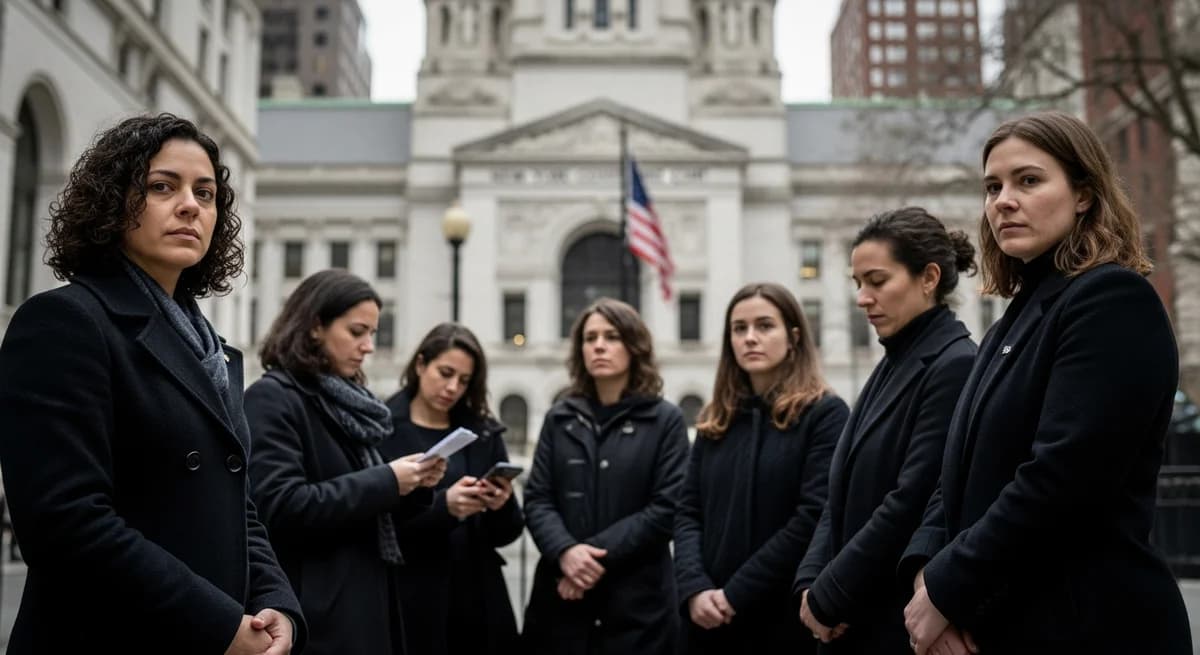
NYC Opens New 18-Month Window: Sex Abuse Survivors Can Sue After Years
New York City's Gender-Motivated Violence Act reopens with an 18-month lookback window allowing survivors to file lawsuits for abuse dating back decades.
New Lookback Window Provides Fresh Legal Opportunity
On January 29, 2026, New York City opened a new 18-month "lookback window" under the Gender-Motivated Violence Act (GMVA), giving survivors of sexual abuse and gender-motivated violence a fresh opportunity to seek justice through civil litigation [3]. This new window allows survivors to file lawsuits even if the standard nine-year statute of limitations has expired, covering incidents that occurred before January 9, 2022 [4].
Legislative Victory After Previous Setbacks
The NYC Council passed Bill 1297-A on November 25, 2025, which was initially vetoed by the former mayor but ultimately enacted after the Council successfully overrode the veto on January 29, 2026 [9]. This legislative action came after significant legal challenges that had dismissed over 450 New York sexual abuse lawsuits filed against city-run juvenile detention centers because the prior version of the GMVA didn't clearly allow survivors to sue institutions [4].
Previously, appellate courts and a Bronx judge ruled that a 2022 update to the GMVA did not clearly apply retroactively to older abuse cases, resulting in widespread case dismissals [9]. The new legislation directly addresses these legal gaps and provides explicit authority for institutional accountability.
Who Can File Under the New GMVA Lookback
The expanded GMVA covers a broad range of survivors, including those who experienced sexual violence such as rape and sexual assault, domestic violence, physical or verbal assault and battery, workplace sexual violence, human trafficking, and false imprisonment [5]. The law specifically protects survivors of gender-motivated violence, including sexual assault and sexual abuse that occurred in New York City before January 9, 2022 [3].
Eligible filers include new claimants who have never filed before, survivors whose cases were previously dismissed due to the earlier legal limitations, and those seeking to hold negligent institutions accountable for facilitating abuse [3]. Cases involving abuse spanning from the 1960s through the 2010s have already been brought under previous versions of this law [9].
Institutional Accountability at the Forefront
One of the most significant aspects of the updated GMVA is its explicit clarification that survivors can hold institutions, government agencies, and other entities that enabled abuse or protected perpetrators legally accountable [4]. This represents a major shift from previous interpretations that limited survivors' ability to pursue claims against institutional defendants.
The law allows survivors to file civil lawsuits against both their direct abusers and institutions that facilitated the abuse, creating multiple avenues for seeking compensation and justice [1]. This institutional accountability provision is particularly important for survivors of abuse in settings such as schools, detention centers, religious organizations, and other institutional environments.
Critical Filing Deadlines
Survivors have until approximately July 29, 2027, to file claims under the new 18-month lookback window [4]. This deadline is firm and represents the final opportunity for many survivors whose cases would otherwise be barred by the standard statute of limitations. The previous lookback window ran from March 1, 2023, to March 1, 2025, making this new window particularly crucial for those who missed the earlier opportunity [4].
For incidents occurring after January 9, 2022, the standard filing period remains nine years from the date of the violent act [1]. However, the current lookback window specifically addresses historical cases that predate this cutoff.
Legal Significance and Broader Impact
The GMVA represents one of the most comprehensive legal frameworks for addressing gender-motivated violence at the municipal level. Unlike federal or state laws, this NYC statute provides survivors with a local legal remedy that can be more accessible and tailored to the specific needs of urban survivors [1].
The law's evolution demonstrates the ongoing legal recognition of the unique challenges survivors face in coming forward, often taking years or decades to report abuse due to trauma, fear of retaliation, or other barriers. By providing multiple lookback windows, the legislation acknowledges these realities and creates meaningful opportunities for legal recourse [2].
What Survivors Should Know
Survivors considering filing under the GMVA lookback window should understand that the law covers both individual perpetrators and institutional defendants. This dual approach can provide multiple sources of potential compensation and ensures that all responsible parties can be held accountable for their roles in facilitating or enabling abuse [6].
The comprehensive nature of the GMVA means that survivors of various forms of gender-motivated violence beyond sexual abuse can also utilize these protections. This includes survivors of domestic violence, human trafficking, and other forms of gender-based violence that occurred within New York City limits [5].
Moving Forward: Legal Consultation Essential
Given the complexity of these cases and the firm deadline of July 29, 2027, survivors should consult with experienced legal professionals as soon as possible [8]. The legal landscape surrounding the GMVA has evolved significantly, and qualified attorneys can help survivors understand their rights, evaluate potential claims against both individual and institutional defendants, and navigate the filing requirements within the lookback window.
The new GMVA lookback window represents a critical opportunity for justice that may not come again. Survivors who believe they may have claims should act promptly to preserve their legal rights and explore their options for seeking accountability and compensation [7].
This article is for informational purposes only and does not constitute legal advice. NIB Direct is a lead generation company and does not provide legal services.
Have Questions About This Topic?
Our team stays on top of the latest litigation developments. Reach out to discuss how this might impact your practice.